Research Relevance and Significance
Achieving sustainability in society, particularly in agricultural production under changing climatic conditions, requires viewing ecosystems as integrated, complex systems. Soils, as a fundamental component of terrestrial ecosystems, are subject to multiple threats. Alterations in soil properties directly influence biodiversity and, consequently, the sustainability and productivity of agricultural systems.
Effective soil management requires access to reliable information for the assessment of environmental risk, particularly in relation to contamination by heavy metals and metalloids. The development of an integrated information and decision-support system represents a key approach to promoting sustainable land use.
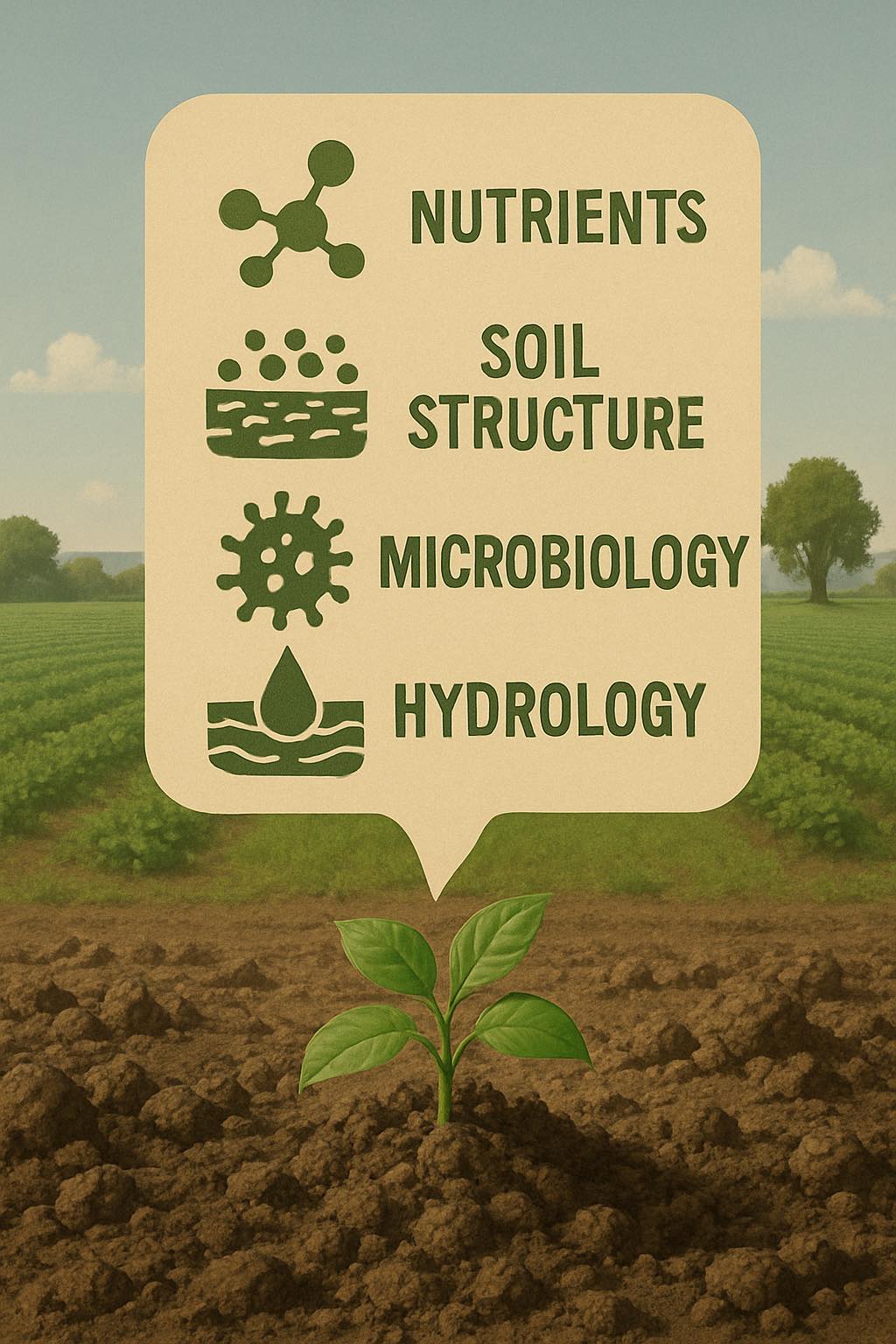
The decision-support model for soil biodiversity conservation and habitat provision is based on an integrated approach encompassing four main components:
Understanding processes and associated threats, supported by scientific data, is essential for elucidating the cause-and-effect relationships between chemical contamination and environmental risks. At the same time, a balance between socio-economic factors and scientific evidence is necessary.
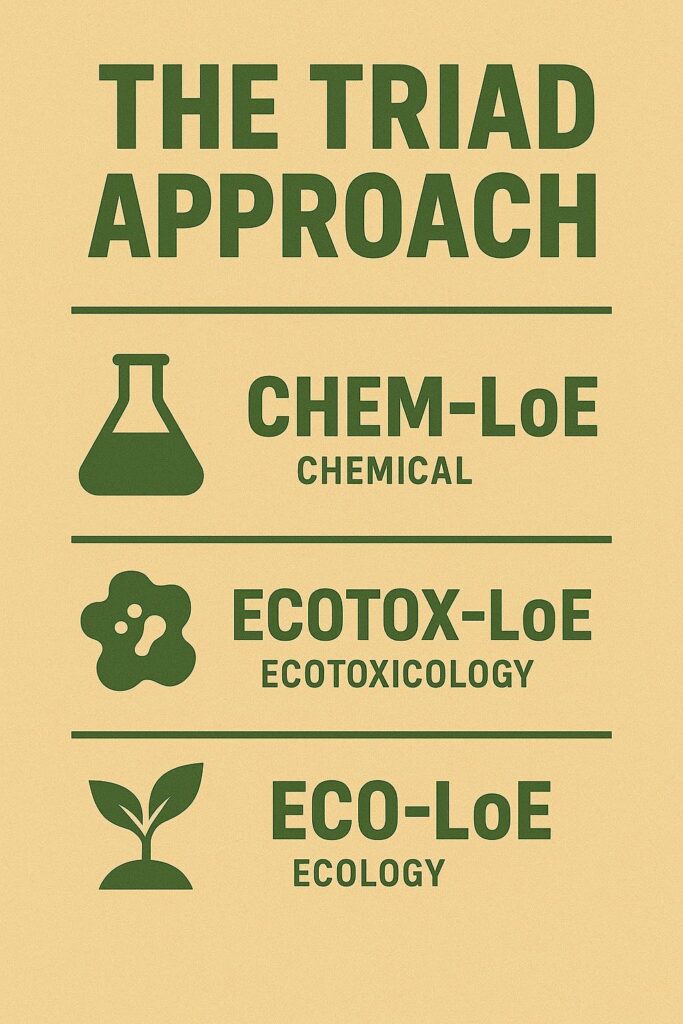
Site-specific soil ecological risk assessment (SERA) evaluates biological effects at contaminated sites through in situ investigations, SERA reflects the toxicity and environmental fate of contaminants, which vary depending on soil properties, soil functions, and site-specific environmental conditions, including interactions with aquatic systems. Moreover, SERA integrates risks from multiple soil contaminants, rather than focusing exclusively on the risk associated with individual substances. In 2017, the International Organization for Standardization (ISO) incorporated the TRIAD approach, comprising three lines of evidence (LoE) - chemical (Chem-LoE), ecotoxicological (Ecotox-LoE), and ecological (Eco-LoE) (ISO, 2017), into its official guidance for site-specific SERA. In the TRIAD framework, data from these lines of evidence are combined to derive an integrated risk (IR), expressed within a multi-tier classification system.
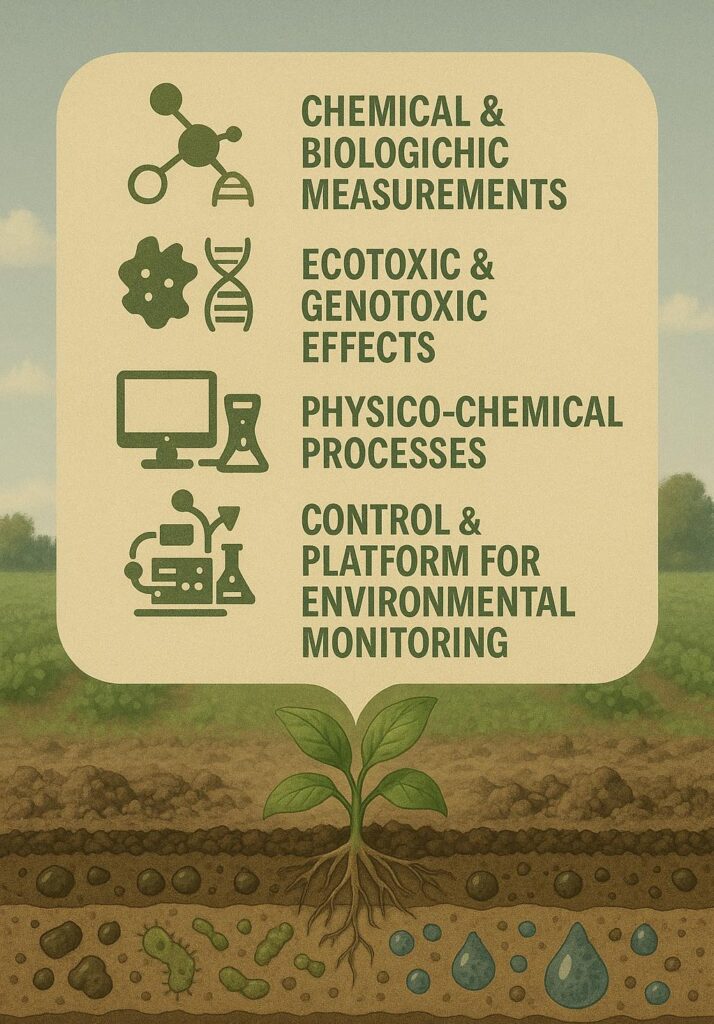
In recent years, the integration of chemical and biological measurements of contaminant occurrence with observed ecotoxicological and genotoxic effects in soil and pore water, alongside the investigation of key physicochemical processes that may explain these observations, has enabled the development of monitoring and control frameworks, as well as platforms for decision-support systems and enhanced practical experience in site-specific ecological risk assessment.